Trading for Beginners How to Start Day Trading in 2026
· based on the channel Sierra Aaliyah
Key takeaways
- Starting capital recommendation: $300 to $2,000
- Paper trading is essential before risking real money
- Key concepts: market structure, candlesticks, and psychology
- Use Webull broker and TradingView platform for trading
- Options vs futures explained to fit your schedule
Trading is the process of buying and selling financial instruments like stocks, options, or futures with the goal of making a profit. For beginners in 2026, starting day trading can seem intimidating but is achievable with the right knowledge and tools. Whether you want to trade stocks, options, or futures, understanding the basics and developing a disciplined approach is crucial.
What Trading Actually Is and What It Is Not
Trading involves speculating on price movements within short timeframes to earn profits. It is not a get-rich-quick scheme nor gambling. New traders should avoid expecting overnight success and instead focus on learning the market dynamics patiently. Trading requires capital, education, and emotional control.
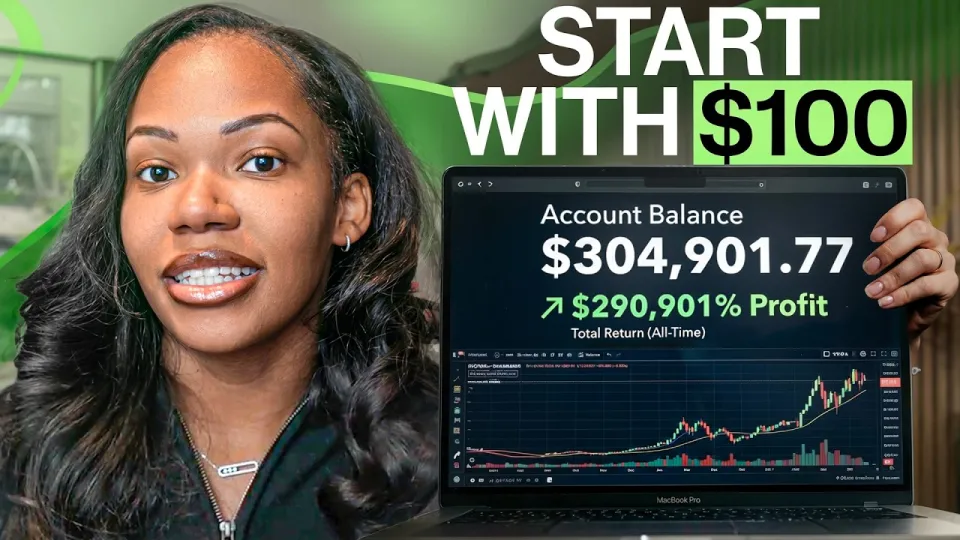
Video: How To Start Trading As A Beginner In 2026 (Step-by-Step)
Understanding Calls, Puts, Options, and Futures
Options trading involves contracts called calls and puts. A call option gives the right to buy an asset at a certain price, while a put option gives the right to sell. Futures contracts are agreements to buy or sell an asset at a future date and price. Options may suit traders looking for flexibility and limited risk, while futures often require more capital and have different margin requirements. Choose the instrument that fits your available time and risk tolerance.
Choosing the Right Broker and Charting Platform
For beginners, platforms like Webull provide easy access to stocks and options with no minimum deposit requirements. Webull also offers commission-free trading and free stocks upon sign-up, making it beginner-friendly. For charting and technical analysis, TradingView is recommended due to its user-friendly interface and powerful tools to read candlesticks and analyze market structure.
The Three Essential Concepts to Master First
- Market Structure: Understanding how price levels and trends form helps identify potential entry and exit points.
- Candlestick Reading: Candlestick charts reveal market sentiment and help predict short-term price movements.
- Trading Psychology: Managing emotions like fear and greed is vital to avoid impulsive decisions that lead to losses.
Common Beginner Challenges and How to Overcome Them
Most beginners quit within the first two months due to losses, frustration, or unrealistic expectations. To avoid this:
- Start with paper trading to practice without risking real money.
- Use a small initial capital between $300 and $2,000.
- Set realistic goals and accept losses as part of the learning process.
- Seek mentorship or join trading communities like Crystal Academy Discord for support and guidance.
Realistic Expectations and Building Consistency
Profitable trading takes time, discipline, and continuous learning. Many successful traders started with small accounts and faced years of trial and error before achieving consistent returns. Risk management, patience, and adapting strategies are keys to long-term success. Avoid chasing quick profits and focus on steady growth.
Useful Links
- Join the Crystal Academy Discord for mentorship and community support: https://whop.com/c/crystal-academy/youtube
- Sign up for Webull broker with free stocks: https://www.webull.com/k/SierraUSA
- Sierra Aaliyah on Instagram: https://www.instagram.com/sierra.aaliyah/
- Sierra Aaliyah on TikTok: https://www.tiktok.com/@sierraxliyah
Conclusion
Starting trading as a beginner in 2026 is accessible with the right mindset, tools, and education. Learning the basics of market structure, options, and futures, along with disciplined practice on platforms like Webull and TradingView, can set you on a path to profitability. Remember to start small, paper trade first, and join supportive communities such as Sierra Aaliyah's Crystal Academy for ongoing learning and mentorship. Trading is a journey, not a sprint, and with patience and persistence, success is achievable.
Source: How To Start Trading As A Beginner In 2026 (Step-by-Step) · Markdown version
Questions & answers
Do I need a large amount of money to start trading?
No, you do not need a large amount of money to start. It is recommended to begin with $300 to $2,000 to manage risk effectively while learning.
What is paper trading and why is it important?
Paper trading is simulated trading without real money, allowing beginners to practice strategies and understand market behavior before risking actual funds. It helps build confidence and skills.
What are the key differences between options and futures trading?
Options give the right but not the obligation to buy or sell an asset, typically with limited risk, while futures are binding contracts to buy or sell at a set date and price, usually requiring more capital and higher risk.
Why do most beginners quit trading early?
Many beginners quit due to initial losses, emotional stress, unrealistic expectations, and lack of proper education. Managing emotions, practicing patience, and using paper trading can help overcome these challenges.